Anatomy of a Denied Claim: The Cargo Insurance Assumptions That Fail at the Worst Moment
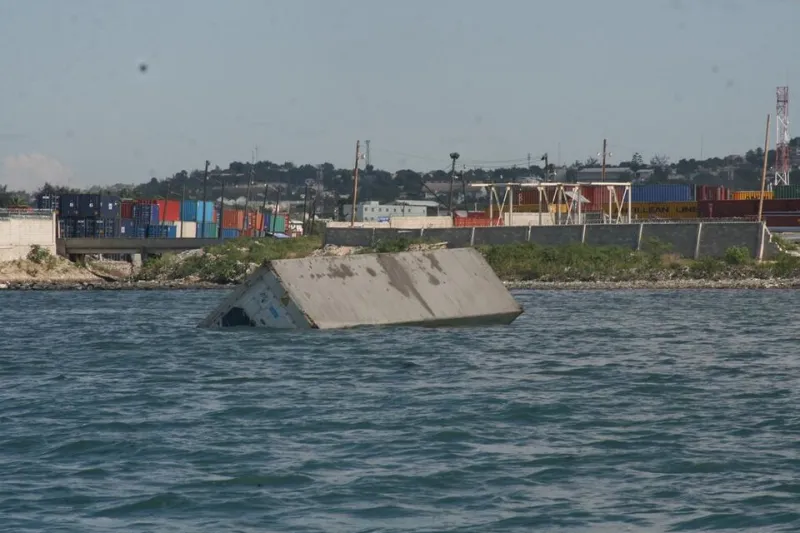
Photo: U.S. Coast Guard photo, Public domain, via Wikimedia Commons
The claim file lands on the desk eleven days after the vessel berths. The insured is certain the loss is covered. The adjuster is equally certain it is not. Neither party is lying. The distance between them is made of assumptions that were never tested before the container left the dock.
The Loss That Was Covered on Paper
A US machinery exporter ships a container of assembled equipment from Charleston to Le Havre. The cargo is transshipped once. During the second leg, water enters the container through a compromised door seal. The damage is discovered at destination. A survey is requested, but the surveyor cannot attend for nine days because the consignee is in a dispute with the terminal over storage charges. By the time the survey takes place, the cargo has been moved, partially unpacked, and exposed to further humidity.
The policy is a marine cargo policy with warehouse-to-warehouse cover. On paper, the loss looks recoverable. In practice, the claim is denied on three grounds: the packing declaration was signed by the shipper without the professional packing certificate the policy required, the survey was not conducted within the policy's notification window, and the damage was characterized by the adjuster as inherent vice arising from inadequate moisture protection. The insured had paid the premium. The insured had assumed the policy was a safety net. The policy was a contract with conditions.
The Packing Declaration Is a Warranty, Not a Formality
Most US exporters treat the packing declaration as a customs or carrier document. Under a cargo policy, it can function as a warranty. If the policy requires packing to a specified standard, or requires certification by a professional packing service, a declaration signed by the shipper may not satisfy it. The distinction matters because a breach of warranty can void coverage for the entire voyage, not just for the damaged unit.
The procurement lesson is straightforward: the packing specification should be written into the purchase order and the logistics contract, not left to the warehouse supervisor's judgment. If the policy requires an external packing survey, the survey should be scheduled before the container is sealed, not after the loss.
The Survey Clock Starts Before You Think
Policies differ on notification. Some require notice within a set number of days of discharge. Some require notice immediately upon discovery. Some require the surveyor to be appointed before the cargo is moved. The common failure is not that the insured ignores the clock. It is that the clock starts at a moment the insured did not recognize as the starting line.
A consignee who quarantines a damaged container at the terminal while disputing storage fees may be preserving the commercial relationship and destroying the insurance claim. The fix is procedural: designate a claims owner, put the notification window in the logistics playbook, and give the destination agent authority to appoint a surveyor without waiting for headquarters approval.
The Institute Clauses Are Narrower Than the Sales Contract
A sales contract may promise delivery in good condition. A cargo policy may cover only named perils. The gap between the two is where disputes live. CIF sales, for example, typically require minimum cover under Institute Cargo Clauses C, which is narrower than many sellers assume. If the buyer expects all-risks protection, the contract and the policy need to say so.
The same applies to the deductible and to co-insurance. A policy with a deductible that is high relative to the shipment value can turn a recoverable loss into an economic write-off. The premium savings from a higher deductible are real, but they should be priced against the actual loss history and the value of the cargo, not against a finance department's preference for lower fixed costs.
The Documentation Chain Has No Weakest Link, Only Weak Links
Cargo claims fail on documents more often than on facts. The bill of lading, the commercial invoice, the packing list, the survey report, the repair estimate, and the carrier's exception report all have to tell the same story. If the carrier's report notes that the container was received with a damaged seal, and the shipper's packing declaration says the seal was intact, the adjuster has a choice to make. That choice rarely favors the insured.
The practical remedy is a pre-shipment document review that includes the insurance requirements, not just the customs requirements. The review should confirm the named insured, the voyage description, the cargo description, the packing standard, and the claims notification contact. It should take less than an hour. It should happen before the container is loaded.
Why Procurement Should Own the Policy
Insurance is usually filed under finance because it is a premium line. That placement is a mistake. The policy's conditions reach into packing standards, carrier selection, routing, and survey timing, all of which are procurement decisions. When procurement owns the policy, the packing specification, the carrier liability terms, and the claims notification window are negotiated together rather than discovered separately after a loss.
A Pre-Shipment Insurance Checklist
Confirm that the Incoterms obligation and the policy cover match. Verify the packing standard and whether a professional certificate is required. Identify the claims notification window and the survey appointment process. Check whether the cover is all-risks or named-perils. Confirm the deductible and co-insurance levels against the shipment value. Review the carrier's liability limits, since cargo insurance and carrier liability are not the same thing. Designate a claims owner at origin and at destination.
A cargo policy is not a binder that sits in a drawer. It is a set of operating instructions. The time to read them is before the vessel sails, not after the water gets in.