Portigo Global Connecting Markets. Bridging Continents.

Portigo Global

Connecting Markets. Bridging Continents.

Latest Articles

Are You Leaving Tariff Savings on the Table? A Self-Audit Guide for US Trade Agreement Compliance
Global Expansion

Are You Leaving Tariff Savings on the Table? A Self-Audit Guide for US Trade Agreement Compliance

Most US mid-market importers and exporters assume their compliance teams have trade agreement benefits fully optimized. Most are wrong. A structured self-audit of preferential tariff utilization routinely uncovers six- and seven-figure annual savings that have been quietly forfeited to outdated processes, misclassified goods, or simple unfamiliarity with available programs. This guide provides a practical diagnostic framework for supply chain and trade compliance leaders ready to close the gap.

Exchange Rate Exposure: Why Currency Swings Are Quietly Dismantling US Sourcing Plans
Supply Chain Strategy

Exchange Rate Exposure: Why Currency Swings Are Quietly Dismantling US Sourcing Plans

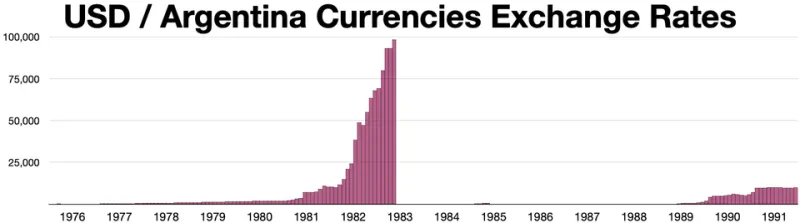
Currency volatility has emerged as one of the most disruptive yet underappreciated forces reshaping how US companies source goods internationally. From the Euro corridor to emerging market suppliers in Southeast Asia, fluctuating exchange rates are forcing supply chain leaders to rebuild strategies that once seemed airtight. This piece examines the mechanics of that pressure and offers a structured framework for navigating it.

Global Expansion

The True Cost of Going Global: Compliance Expenses That Catch US Businesses Off Guard

Most US companies entering international markets spend considerable time modeling product costs and tariff exposure — and far too little time accounting for the compliance infrastructure that surrounds them. Certifications, customs brokerage, regulatory documentation, and corridor-specific requirements routinely add 15 to 40 percent to the cost of doing business globally, yet they rarely appear in initial market entry projections. This article maps the compliance cost landscape across three majo

Global Expansion

The Talent Deficit at the Heart of Global Trade: Building Cross-Border Supply Chain Teams That Actually Work

The logistics and international trade sector is grappling with a talent crisis that rarely makes headlines but is quietly undermining the ambitions of companies building global supply chains. The shortage is not simply one of headcount—it is a deficit of professionals who combine technical fluency, multilingual capability, and genuine cross-cultural competence. Addressing it demands a fundamental rethinking of how organizations recruit, develop, and retain talent across borders.

Island Advantage: How the Caribbean Is Rewriting the Rules of US Nearshore Logistics
Supply Chain Strategy

Island Advantage: How the Caribbean Is Rewriting the Rules of US Nearshore Logistics

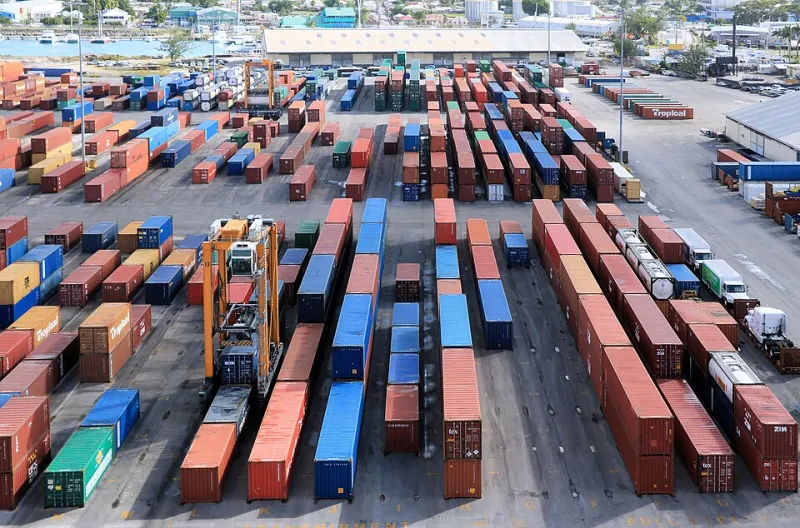
For decades, US companies defaulted to Asia for manufacturing and sourcing, absorbing long lead times and mounting geopolitical risk. A growing number of supply chain strategists are now turning their attention to the Caribbean—a region that offers tariff advantages, dramatically reduced transit times, and an accelerating wave of infrastructure investment. Jamaica, the Dominican Republic, and Trinidad and Tobago are emerging as the anchors of a nearshore strategy that is fundamentally reshaping

Supply Chain Strategy

Closer Than You Think: How Mexico Is Quietly Outmaneuvering Europe as America's Logistics Partner of Choice

While European logistics hubs attract considerable attention from US supply chain planners, Mexico's geographic proximity, USMCA-driven cost advantages, and a new generation of industrial port infrastructure are making a compelling case that the most strategically valuable logistics partnership for American businesses may lie far closer to home. This analysis challenges the prevailing European-centric narrative and asks whether US manufacturers and e-commerce operators are systematically underva

Global Expansion

Africa's Rising Ports: The Supply Chain Frontier US Businesses Can No Longer Ignore

African nations are rapidly transforming from peripheral trade partners into essential nodes within global supply chains, offering US companies diversified sourcing options, preferential tariff structures, and infrastructure that is finally catching up with ambition. As traditional Western hubs strain under congestion and geopolitical friction, forward-thinking American firms are quietly repositioning their logistics networks toward the continent. This analysis examines what is driving that shif

Global Expansion

Lisbon on the Logistics Map: How Portugal Became the Transatlantic Gateway American Tech and Supply Chain Firms Have Been Searching For

Portugal has quietly positioned itself as one of Europe's most compelling destinations for American companies establishing continental distribution and supply chain management operations. With a strategic Atlantic coastline, a stable regulatory environment, and operating costs that undercut Western European rivals by a significant margin, Lisbon is attracting a new generation of US logistics and technology firms. For supply chain professionals considering European expansion, the case for Portuga

Supply Chain Strategy

When Cheap Becomes Costly: The True Price of Offshored Fulfillment and the Reshoring Reckoning

American businesses that once chased lower labor costs by moving fulfillment operations overseas are now confronting a more complicated financial reality. Beyond the obvious freight expenses, a cascade of hidden costs—from bloated inventory buffers to eroding customer loyalty—is prompting a quiet but significant reversal. This analysis examines the total cost of ownership in global logistics and offers a structured framework for determining when bringing operations home makes sound financial sen